New initiative to reduce food waste, increase composting at VCU and VCU Health | VCU Health
Virginia Commonwealth University (VCU) and VCU Health have received a $1.04 million grant from the Virginia Department of Environmental Quality to launch a major Food Rescue and Composting Initiative aimed at reducing food waste, increasing food recovery, and expanding composting efforts across campus and hospital operations.
The three-year project, running from June 2026 through June 2029, is part of a statewide effort to keep food waste out of landfills and reduce harmful methane emissions. The grant was one of 12 awarded to colleges and universities across Virginia.
Why This Initiative Matters
VCU and VCU Health serve about 3.1 million meals every year through cafeterias, retail outlets, and catering services. Despite existing sustainability efforts, more than 120,000 pounds of food are estimated to be wasted annually.
The new initiative supports VCU’s goal of becoming a zero-waste campus under its One VCU Sustainability Plan.
According to project leader Dr. John C. Jones, reducing food waste is essential because it remains one of the university’s largest sources of waste generation.
Key Goals of the Program
The Food Rescue and Composting Initiative will focus on:
- Reducing food waste before it occurs.
- Recovering surplus edible food and redistributing it to people in need.
- Expanding composting programs for unavoidable food waste.
- Creating long-term policies and reporting systems to support sustainability goals.
- Using data and technology to improve food management practices.
Expected Impact
The project aims to achieve significant results each year, including:
- Preventing approximately 42,000 pounds of food waste.
- Rescuing an additional 16,110 pounds of edible food.
- Composting an extra 128,000 pounds of food waste.
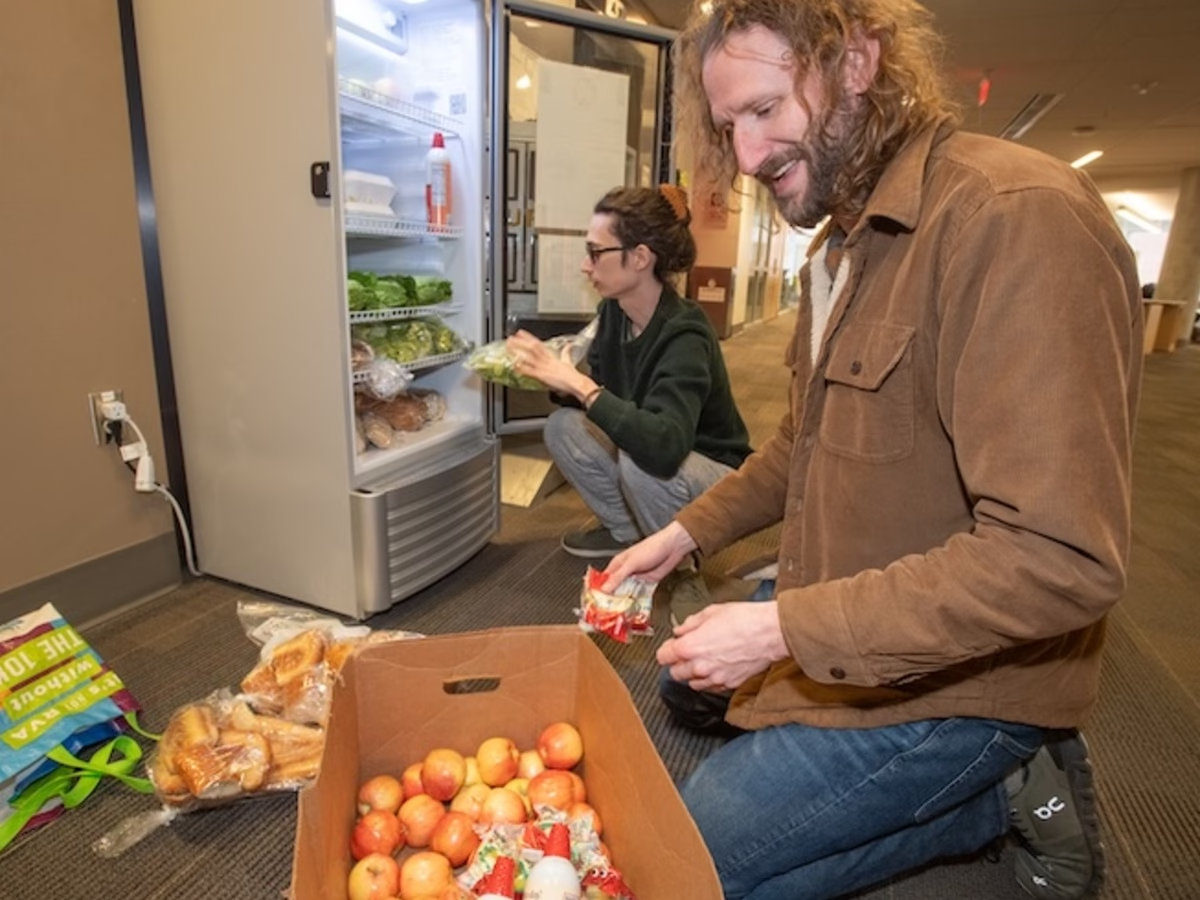
VCU already has successful programs in place, including Ram Pantry, Ram Fridges, and the Too Good To Go app, which help redirect surplus food to students and community members.
How Technology Will Help
Researchers from multiple disciplines will work together to identify where food waste occurs and how it can be reduced.
A team led by business professor Dr. Jeff Smith will study kitchen operations, inventory management, food preparation, and leftover handling to find ways to prevent waste before food reaches consumers.
Meanwhile, engineering professor Dr. Tamer Nadeem will help develop predictive cooking and monitoring systems at Shafer Court Dining Center. These tools will help kitchens prepare the right amount of food and reduce overproduction.
Expanding Food Rescue Efforts
VCU plans to create a student-led Food Rescue Club that will help collect and redistribute surplus food across campus.
The university is also developing a mobile app that will notify students and staff when extra catered food is available, helping ensure edible food reaches people instead of ending up in the trash.
A new full-time food waste coordinator will oversee these efforts and support food recovery programs.
Growing Composting Programs
VCU Sustainability will expand composting infrastructure, improve signage, and provide education to encourage proper composting practices.
The team will also explore ways to increase composting within the VCU Health system, helping close the food recovery loop and further reduce landfill waste.
Long-Term Sustainability Benefits
University leaders say the initiative will support several important goals, including:
- Reducing greenhouse gas emissions.
- Supporting student and community well-being.
- Improving food access.
- Strengthening collaboration among students, researchers, staff, and community partners.
- Embedding sustainable food management practices into long-term campus operations.
Project leaders are encouraging additional faculty, staff, students, and community members to get involved as VCU works toward its vision of achieving zero food waste.
Conclusion
VCU’s new $1.04 million Food Rescue and Composting Initiative represents a major investment in sustainability. By combining technology, research, food recovery programs, and expanded composting efforts, the university hopes to dramatically reduce waste, help feed more people, and move closer to its goal of becoming a zero-waste campus.
#FoodWasteReduction #Sustainability #Composting #ZeroWasteCampus #EnvironmentalImpact