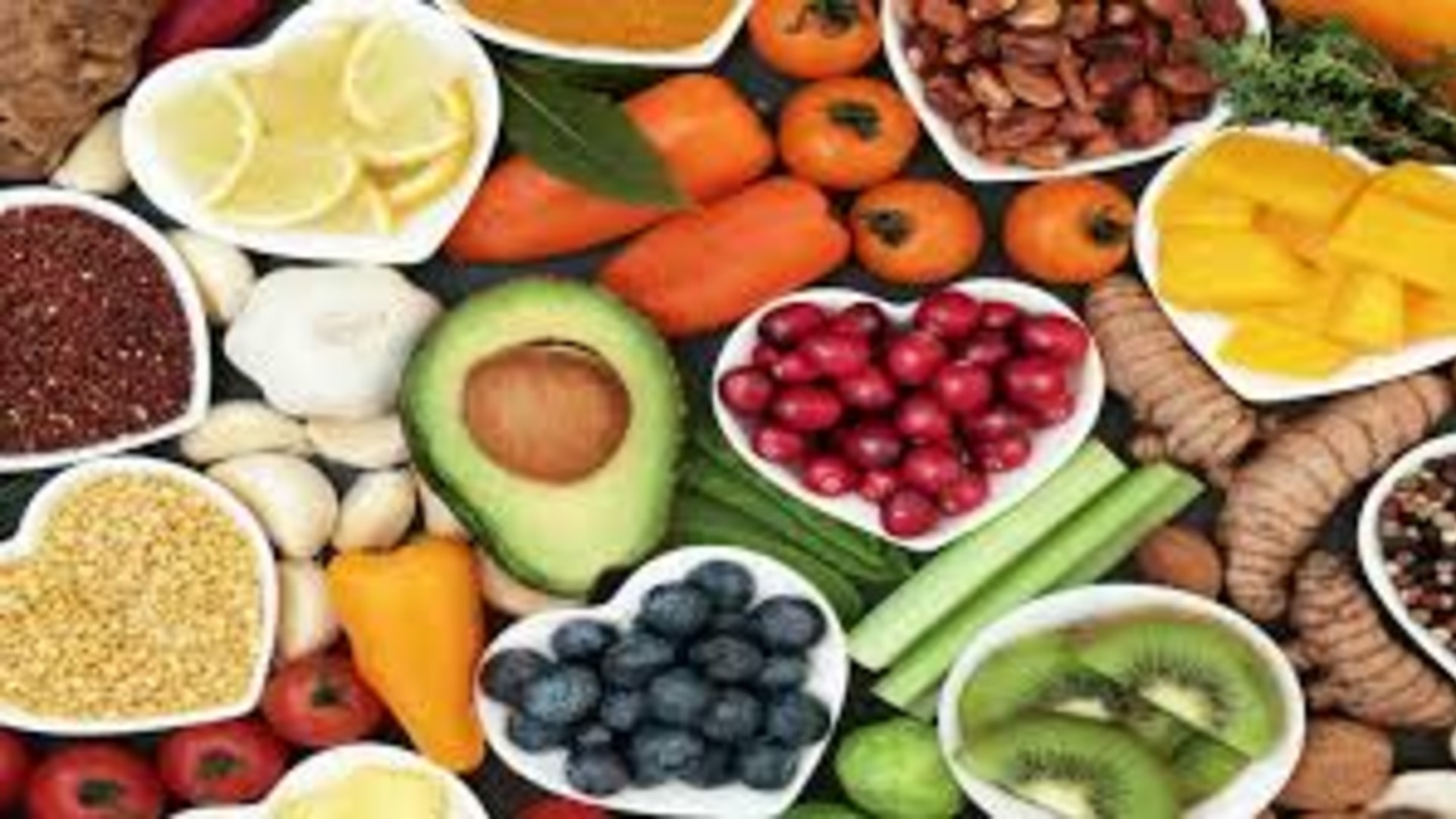
What if the secret to better health is already sitting in your kitchen cabinet? From spicy chili peppers to fermented kimchi, everyday ingredients are gaining serious attention from scientists—not just for flavor, but for their surprising health benefits. Recent studies and expert insights suggest that a few familiar staples could support your heart, brain, gut, and even your mood in ways you might not expect.
Let’s take a friendly, research-backed walk through five kitchen essentials that are stepping into the wellness spotlight.
1. Capsaicin: Turning Up the Heat on Health

Experts told Fox News Digital how capsaicin-rich foods can improve overall health. (iStock)
Capsaicin, the compound that gives chili peppers their fiery kick, is doing much more than making your meals exciting. Research shows that capsaicin can positively influence gut health by reshaping the microbiome—boosting beneficial bacteria and reducing harmful ones.
According to food scientist Bryan Quoc Le, Ph.D., this shift increases the release of tryptophan, an amino acid essential for mood regulation, sleep quality, and digestion. That means a little spice may help support mental well-being too.
The good news? You don’t need extreme heat. Even very small daily amounts—around 0.01%—may deliver benefits. If you’re spice-shy, start with milder peppers like pepperoncinis, then gradually explore jalapeños or serranos.
Featured Snippet Takeaway:
Capsaicin supports gut health, mood, and digestion by improving beneficial gut bacteria.
2. Black Cumin: Small Seeds, Big Metabolic Support

Black cumin seeds could help improve metabolism, according to a study. (iStock)
Black cumin seeds (Nigella sativa) have a long history in traditional cooking, and modern research is now catching up. In a recent human study, participants who consumed 5 grams daily for eight weeks experienced improvements in cholesterol levels, including lower LDL (“bad”) cholesterol and higher HDL (“good”) cholesterol.
Researchers describe black cumin as having “lipid-lowering and anti-adipogenic effects,” suggesting it may support healthier fat metabolism. However, experts caution against viewing it as a cure-all.
Dietitians emphasize that black cumin works best as part of an overall healthy lifestyle, not as a standalone solution.
Featured Snippet Takeaway:
Black cumin may help improve cholesterol and lipid metabolism when paired with healthy habits.
3. Saffron: A Natural Mood Lifter

Saffron is said to be a natural mood booster. (iStock)
Saffron, often called “red gold,” isn’t just prized for its aroma and color—it’s also gaining recognition for its potential antidepressant effects. Studies suggest that around 30 mg of saffron can be as effective as some antidepressants in managing mild to moderate depression.
Psychiatrist Dr. Daniel Amen notes an added benefit: unlike many antidepressants, saffron may improve sexual function rather than suppress it. Some experts recommend using saffron alongside nutrients like zinc or curcumin, especially as a complementary therapy.
That said, moderation matters. Long-term safety at higher doses still needs more research.
Featured Snippet Takeaway:
Saffron may support mood and emotional well-being with fewer side effects than traditional antidepressants.
4. Rosemary and Sage: Brain-Friendly Herbs
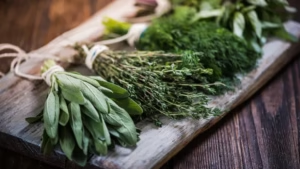
Rosemary and sage could help protect the aging brain. (iStock)
These classic herbs may do more than elevate roasted vegetables. Rosemary and sage contain carnosic acid, a compound researchers believe could protect brain cells from oxidative stress and inflammation.
Animal studies have shown improvements in learning, memory, and neuron growth. What makes carnosic acid unique is its ability to activate only in damaged or stressed cells, leaving healthy cells untouched.
While researchers are optimistic, experts stress that human clinical trials are essential before recommending these herbs as treatments for cognitive decline.
Featured Snippet Takeaway:
Rosemary and sage may help protect brain health, though more human research is needed.
5. Kimchi: A Gut-Loving Superfood

Kimchi’s tangy and spicy flavor has made it a versatile addition to American fusion dishes and snacks. (iStock)
Kimchi, the fermented Korean favorite, is earning praise as a heart-healthy, gut-supporting food. Thanks to fermentation, kimchi delivers probiotics along with fiber, antioxidants, and vitamins A, C, and K.
Doctors highlight its powerful ingredient lineup: garlic may help regulate blood sugar, ginger supports digestion, and chili peppers contribute anti-inflammatory effects. Together, they make kimchi a flavorful way to nourish your gut and overall health.
Featured Snippet Takeaway:
Kimchi supports gut and heart health through probiotics, fiber, and antioxidant-rich ingredients.
The Bottom Line
These kitchen staples aren’t magic cures—but science suggests they can play a meaningful role in a balanced, healthy lifestyle. When used thoughtfully and consistently, simple ingredients like chili peppers, black cumin, saffron, rosemary, sage, and kimchi may offer benefits that go far beyond taste.
Sometimes, better health really does start at home—one meal at a time.
#KitchenHealth #FoodAsMedicine #GutHealth #BrainBoostingFoods #HealthyEating